

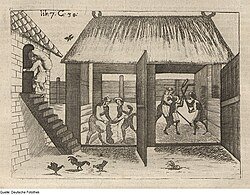
Few images carry as much layered meaning across history as the threshing floor. What began as a practical piece of ancient farming equipment eventually became one of the most powerful spiritual metaphors in religious tradition, representing separation, refinement, and transformation. If you have ever wondered why the threshing floor keeps appearing in sermons, literature, and historical texts, this article will walk you through its origins, its symbolism, and why it still resonates today.
Understanding the threshing floor requires looking at both its literal agricultural function and the deeper meaning that grew out of it. Once you see how the two connect, the phrase takes on a richness that goes far beyond its farming roots.
What Is a Threshing Floor?
A threshing floor is a flat, often circular area, traditionally made of packed earth, stone, or rock, where harvested grain was separated from its outer husk. Farmers would spread stalks of wheat or barley across the surface and then use animals, tools, or the wind itself to separate the valuable grain from the surrounding chaff.
This process, known as threshing, was essential to ancient agricultural life. Without a functional threshing floor, communities could not efficiently process the harvest that sustained them through the year, which is part of why the threshing floor held such practical importance in early farming societies.
How the Threshing Process Worked
The physical process at a threshing floor typically involved spreading cut grain stalks across the flat surface, then driving oxen or other animals over the material to loosen the kernels from their husks. In some regions, workers used wooden threshing sledges dragged across the floor to speed up the separation.
Once the grain was loosened, farmers would use a technique called winnowing, tossing the mixture into the air so that wind carried away the lighter chaff while the heavier grain fell back to the threshing floor. This combination of threshing and winnowing made the threshing floor a central hub of activity during harvest season, often located on elevated, open ground where wind exposure was strongest.
The Threshing Floor in Ancient History
Archaeological and historical records show that threshing floors were common fixtures across Mediterranean, Middle Eastern, and Mesopotamian farming communities. According to resources like the Encyclopaedia Britannica’s overview of agricultural history, threshing techniques using open floors date back thousands of years and were refined gradually as farming tools improved.
Because a threshing floor required open space and reliable wind, these sites were often located just outside village boundaries, on hilltops or elevated plateaus. That physical placement meant the threshing floor frequently became a natural gathering point, not just for farm work but for community interaction and, in many ancient cultures, significant events tied to trade, justice, or public gatherings.
Threshing Floors as Community Landmarks
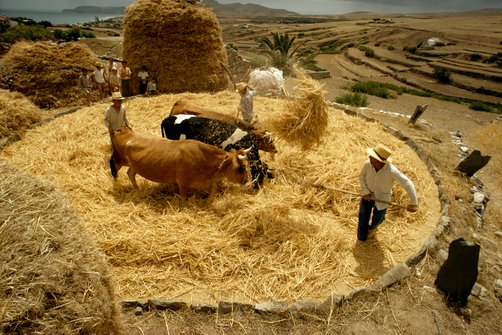
Because of their open, elevated location, threshing floors often took on importance beyond agriculture. In several ancient cultures, these sites doubled as gathering places for public announcements, negotiations, and even legal proceedings, since their open layout made them practical for larger crowds.
This dual purpose helps explain why the threshing floor appears so frequently in ancient literature and religious texts, not simply as a farming detail but as a meaningful setting where important events unfolded.
The Threshing Floor as a Spiritual Symbol
Beyond its agricultural function, the threshing floor became a powerful symbol across religious and literary traditions, most notably within biblical scripture. In these texts, the threshing floor frequently represents a place of testing, judgment, and separation, drawing directly from the physical process of separating grain from chaff.
This symbolism appears prominently in several well-known biblical narratives. The threshing floor is featured in the Book of Ruth, where Ruth approaches Boaz at his threshing floor, a scene that carries significant cultural and relational weight within the story. It also appears in the account of Araunah’s threshing floor, later purchased by King David, a site that would eventually become associated with the location of the future temple in Jerusalem, according to accounts referenced by outlets like Bible Gateway’s study resources.
Separating Wheat From Chaff as Spiritual Metaphor
The most enduring symbolic use of the threshing floor centers on the imagery of separating wheat from chaff. In religious teaching, this metaphor often represents the separation of what is valuable and lasting from what is worthless or temporary, whether applied to character, faith, or moral choices.
This metaphor extends naturally into ideas about testing and refinement. Just as grain had to pass through the physical process of threshing before it could be useful, the threshing floor became symbolic of seasons in life involving difficulty, pressure, or trial that ultimately produce clarity and growth. For readers interested in how other agricultural imagery carries symbolic weight across scripture, our related article on harvest symbolism in religious tradition offers further exploration of this theme.
Why the Threshing Floor Still Resonates Today
Even in modern contexts far removed from agricultural life, the threshing floor remains a widely referenced symbol in sermons, worship music, and personal reflection. Its imagery captures something universally relatable: the idea that pressure and difficulty can serve a refining purpose rather than simply being destructive.
Many people encounter the phrase “threshing floor” today not through farming but through spiritual or motivational language describing periods of struggle that ultimately lead to clarity or renewal. That continued relevance speaks to how effectively the original agricultural image translated into a lasting metaphor for personal and spiritual transformation.
Modern Uses of the Threshing Floor Metaphor
Contemporary writers, pastors, and speakers frequently invoke the threshing floor when discussing seasons of hardship that ultimately reveal strength or purpose. The phrase has become shorthand for any experience that separates what truly matters from what does not, echoing the original agricultural process almost perfectly.
This kind of symbolic continuity, where a practical farming tool evolves into a widely understood metaphor, is relatively rare and speaks to how deeply the threshing floor became embedded in cultural and religious storytelling over centuries.
Conclusion
The threshing floor began as a simple, practical solution to an agricultural problem, separating grain from chaff using wind, tools, and open space. Over centuries, that same image evolved into one of history’s most enduring metaphors for testing, refinement, and transformation, appearing throughout biblical narratives and continuing to shape spiritual language today. Whether understood literally as an ancient farming site or symbolically as a season of difficulty that produces growth, the threshing floor remains a powerful reminder that separation and pressure often precede clarity and purpose.
Frequently Asked Questions
What is a threshing floor used for?
A threshing floor was traditionally used to separate grain from its husk using animals, tools, and wind, a process essential to ancient farming communities.
What does the threshing floor symbolize in the Bible?
The threshing floor often symbolizes testing, judgment, and the separation of what is valuable from what is worthless, using the imagery of wheat and chaff.
Where does the phrase threshing floor appear in scripture?
The threshing floor appears in several biblical accounts, including the Book of Ruth and the story of Araunah’s threshing floor purchased by King David.
Why were threshing floors often located on elevated ground?
Elevated, open locations provided the wind exposure necessary for winnowing, which helped separate lightweight chaff from heavier grain.
Is the threshing floor still used as a metaphor today?
Yes, the threshing floor remains a common metaphor in sermons and reflective writing, symbolizing seasons of difficulty that lead to growth and clarity.
more related blog
